The fastest runs in the arena are built on quiet work that rarely looks dramatic. A horse that changes direction at speed, ignores noise, and stays connected to a rider’s hands is responding to a long history of predictable communication. Trust is not a single exercise. It is the result of hundreds of ordinary moments in which the rider gives a clear cue, the horse responds, and the pressure ends at the right time.
Consistency Creates Security
Consistency is the first ingredient. Use the same basic aids for the same request, whether you are riding in the arena, walking to the trailer, or standing at the gate. A horse should not have to guess whether a light rein means slow down today and turn tomorrow. Keep sessions short enough that the horse can finish with a good answer. Ten focused minutes repeated several times a week will build more confidence than an exhausting session followed by a long break.
Use Pressure and Release Clearly
Groundwork gives you a safe place to study the horse’s reactions. Ask for a soft step forward, a halt, a yield of the hindquarters, and a relaxed head position. Reward the smallest correct try. If the horse braces, step back to an easier request instead of pulling harder. The goal is not to make the horse look obedient; it is to teach the horse that listening to you leads to comfort and clarity.
Train in Manageable Steps
Desensitizing should be gradual and specific. Introduce a flag, a plastic bag, a speaker, or a new object at a distance where the horse can still think. Allow the horse to look, then ask for a simple task such as walking one step or lowering its head. Move the object away when the horse softens. Over time, the horse learns that an unfamiliar sight does not require an emergency response. Never flood a frightened horse with a stimulus and call the result training.
Keep the Rider Balanced
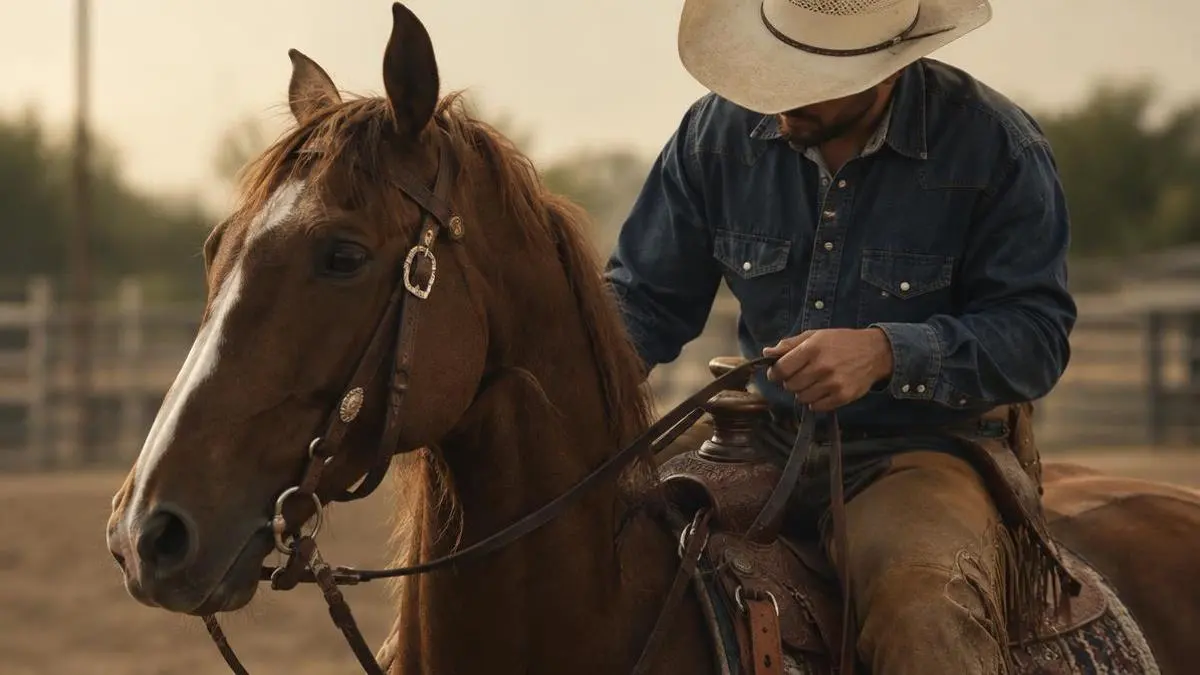
The rider’s body matters as much as the reins. Horses notice a held breath, a locked knee, and a hand that becomes rigid before a turn. Practice breathing out on the halt and keeping your weight centered as the horse changes direction. In a slow exercise, ride a large figure eight and focus on looking through the turn. When the rider stays balanced, the horse has room to find its own balance too.
Review and Adjust
Trust also includes boundaries. A confident horse is not a horse that is allowed to rush through people, lean on the lead rope, or ignore a halt. Set a clear limit, then return to a calm task. Correct quietly and release promptly. Anger makes the lesson about the rider’s emotion; timing makes it about the horse’s choice.
At speed, return to the basics. Practice a clean transition, a straight approach, and a balanced exit before adding another challenge. If a run becomes hurried, slow the exercise down for a few repetitions. Riders often try to solve tension by asking for more speed, but speed only magnifies a communication problem that already exists.
Keep a simple training journal. Note the horse’s energy, the exercise, the response, and one thing that improved. Patterns become visible quickly: perhaps the horse braces after long warm-ups, or relaxes when the rider gives a longer rein on the approach. That information is more valuable than a single good or bad ride.
Trust grows when the horse can predict the rider and the rider can listen to the horse. Build the partnership in small pieces, protect the horse’s confidence, and let speed arrive after understanding. The result is not only a faster run. It is a horse that stays with you when the arena gets loud.
Use familiar routines to make new challenges easier. Groom in the same order, mount from a quiet place, and begin each ride with a few movements the horse already understands. Predictability lowers the horse’s mental workload, which leaves more attention available for a new object, a faster transition, or a different arena. The routine does not need to be rigid; it simply gives both partners a reliable starting point.
Pair every difficult exercise with a release the horse can understand. After a good halt, walk forward on a loose rein. After a calm pass by a flag, turn away and rest. The release is the conversation’s punctuation: it tells the horse exactly which choice earned comfort. Riders who keep asking after the correct answer often create confusion and teach the horse to brace.
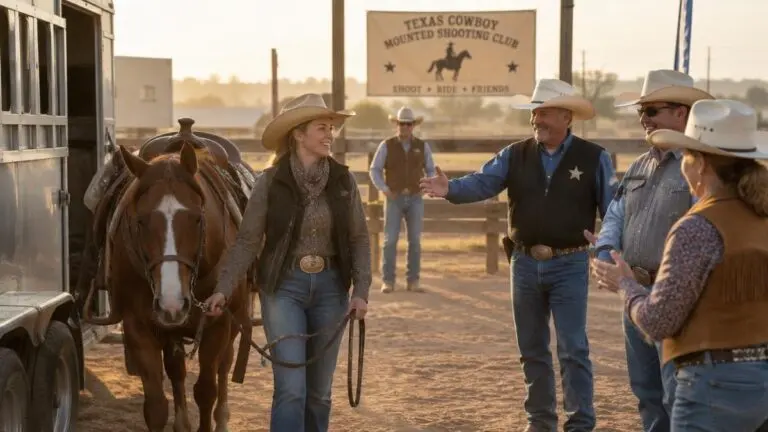
Practice in more than one setting. A horse that is calm in an empty arena may need help near a trailer, a gate, or a line of spectators. Change one variable at a time and keep the rest familiar. If the horse loses focus, return to a simple figure or hand-walk until breathing and rhythm return. Confidence comes from successful repetitions, not from forcing the horse to remain in an overwhelming situation.
Review your own timing with a coach or trusted observer. Ask them to watch the instant before the horse changes speed or direction. Many riders discover that they lean, tighten a hand, or stop breathing before the horse reacts. Correcting that preparation can change the entire ride. Trust becomes visible when the horse starts looking to the rider for information instead of inventing an answer alone.
Give trust a measurable checkpoint. At the end of a ride, ask whether the horse could halt, turn, and stand on a soft cue in a new place. If the answer is yes, finish there and preserve that confidence. A small reliable response is more valuable than one dramatic effort followed by a setback. Over a season, those checkpoints create a partnership that remains dependable when speed, noise, and pressure arrive together.
Texas Smokin' Guns