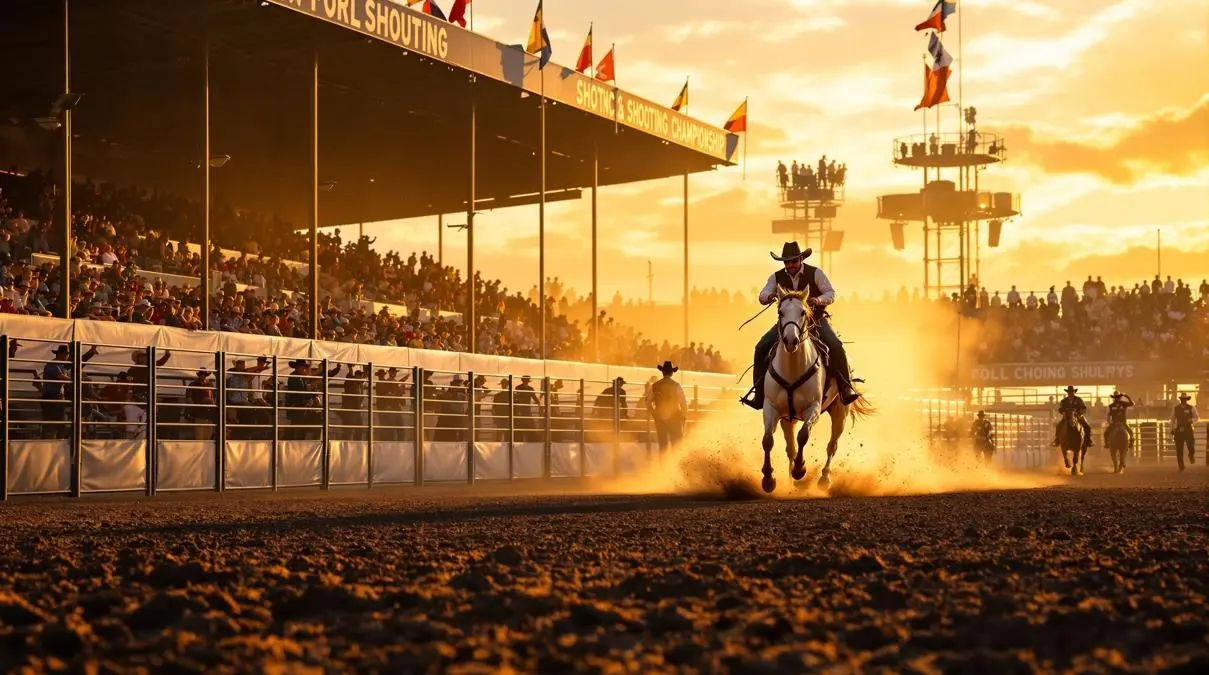
A state championship compresses a season of preparation into one busy weekend. Riders arrive with polished horses, carefully checked equipment, and a plan for managing nerves when every run feels important. The most memorable part of this year’s championship was not one spectacular time. It was the depth of the field and the number of competitors who finished strong after an uncertain first stage.
An Organized Start
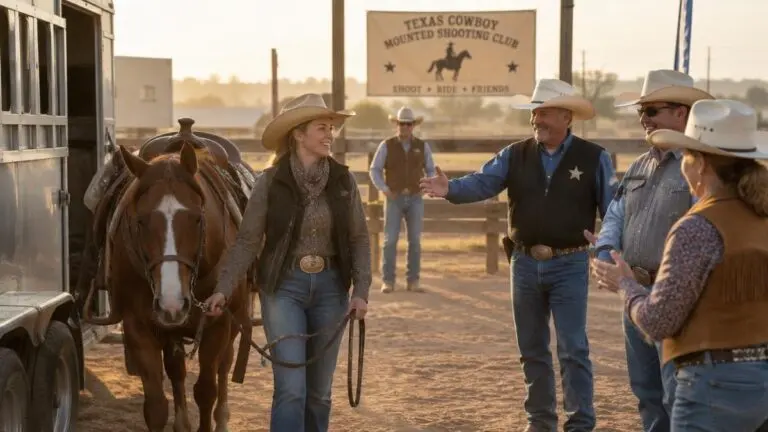
The grounds were active before sunrise. Trailers lined the parking area, volunteers marked the warm-up lanes, and the registration desk stayed busy as riders confirmed classes and received the latest arena notes. That early organization mattered. With a large entry list, a clear schedule gave competitors enough time to tack up, settle their horses, and walk the pattern without crowding the gate.
Accuracy Sets the Tone
The opening stages rewarded accuracy. Several experienced riders chose a measured pace and posted clean runs while faster attempts collected penalties. The lesson was familiar but important: the championship is decided over multiple stages, and a rider who protects a clean score early keeps options open later. Horses that stayed relaxed through the first pass looked more confident as the weekend progressed.
The Team Behind the Runs
Between runs, the warm-up ring became its own classroom. Riders traded observations about footing, discussed how the light wind changed the balloons, and helped one another check cinches and reins. Younger competitors watched veterans make small adjustments rather than dramatic changes. That quiet mentoring is one of the reasons a championship feels like a community event even when the leaderboard is tight.
Pressure in the Final Stages
Saturday afternoon brought the most demanding combination of turns and transitions. The best rides had a common shape: a deliberate entrance, a straight line to each target, and a rider who kept looking toward the next marker instead of staring at the one just completed. A few horses lost confidence when the crowd grew louder, but patient riders gave them a breath and finished safely. Those choices earned as much respect as a fast time.
Lessons for Next Season
Sunday’s final stages were decided by consistency. Leaders protected their advantage without becoming defensive, while riders just outside the top group took calculated opportunities. The final scores reflected tiny differences in line, rhythm, and timing. More than one class changed in the last run, but the strongest performances were built on the same fundamentals seen on Saturday: centered seats, soft hands, and a horse that trusted the next cue.
Awards recognized the headline results, yet the weekend offered many other victories. A first-time competitor completed every stage, a returning horse handled a new venue calmly, and several juniors helped with arena work before riding their own classes. Those moments show how the sport grows: through competition, but also through people making room for the next rider.
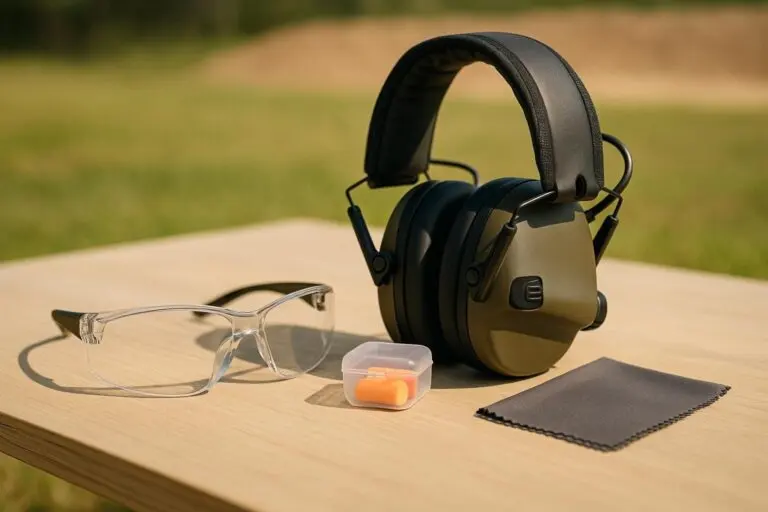
The championship also highlighted practical preparation. Horses benefited from regular water breaks, shaded rest, and familiar feed. Riders who kept a simple schedule avoided the temptation to change tack or training overnight. Checking equipment before every stage prevented small problems from becoming expensive ones. These habits are not glamorous, but they are exactly what allows skill to appear when the pressure rises.
As the trailers left, the next season was already being discussed. Riders compared goals, marked clinic dates, and promised to return with one more improvement. A championship is a result, but it is also feedback. The weekend showed where North Texas riders are strong and where focused winter work can make the next field even more competitive.
The middle stages showed the value of a complete team. Ground crews checked equipment, coaches watched the pattern from the rail, and friends helped riders reset after a missed balloon. Championship weekends are often won by these quiet systems. A rider who can return to the trailer, water the horse, and make one deliberate adjustment is better prepared for the next stage than someone who spends the entire break replaying a mistake.
The final runs brought a different kind of pressure. The leaders had to protect a narrow margin while riders just outside the top group had to take a calculated chance. Good horsemanship remained the common thread. The best runs were not reckless; they were organized from the first stride, with a clear line to every target and a balanced exit before the next turn.
Away from the arena, the championship also welcomed new families and first-time spectators. Volunteers explained the scoring, answered equipment questions, and made room for children to watch safely. That atmosphere matters because a state event is both a competition and a way to grow the sport. New riders see a path from a local practice to a larger stage, while experienced competitors are reminded to teach what they have learned.
The weekend closed with practical lessons for the next season. Check equipment earlier, protect recovery time, and keep a written plan for each stage. Celebrate clean decisions as much as fast times. A championship recap is most useful when it turns excitement into a repeatable routine for the next horse, the next rider, and the next year.
The strongest takeaway was the value of preparation that leaves room for change. Weather, footing, delays, and an unfamiliar draw can alter a plan, but they do not have to alter the rider’s priorities. Protect the horse’s welfare, follow the official briefing, and make the next good decision. That mindset kept the weekend competitive without making it frantic, and it is the lesson most riders will carry into their next championship.
Texas Smokin' Guns