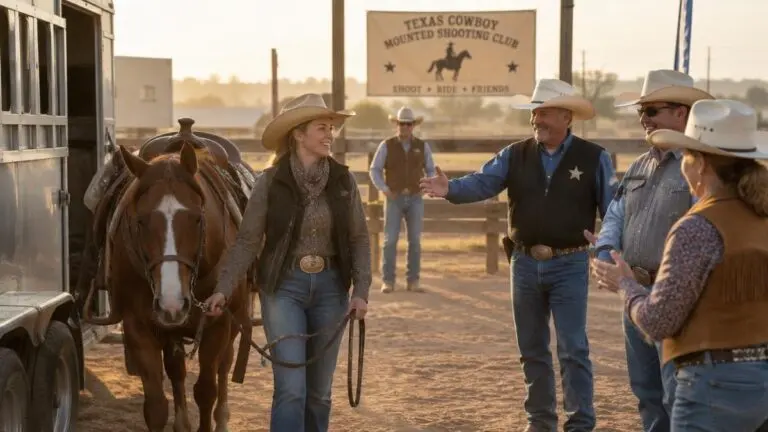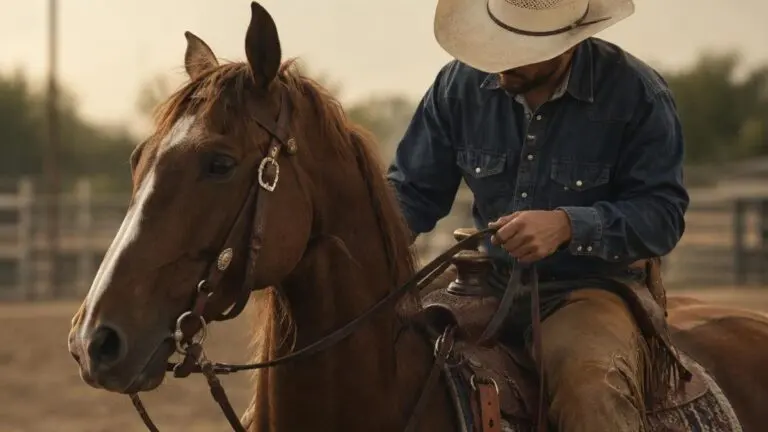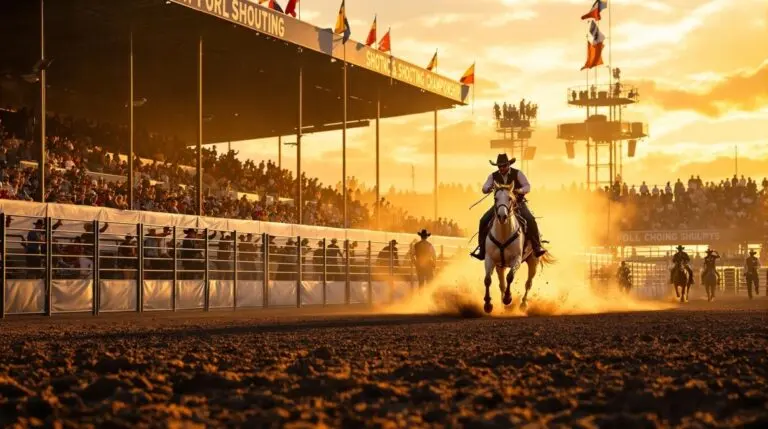
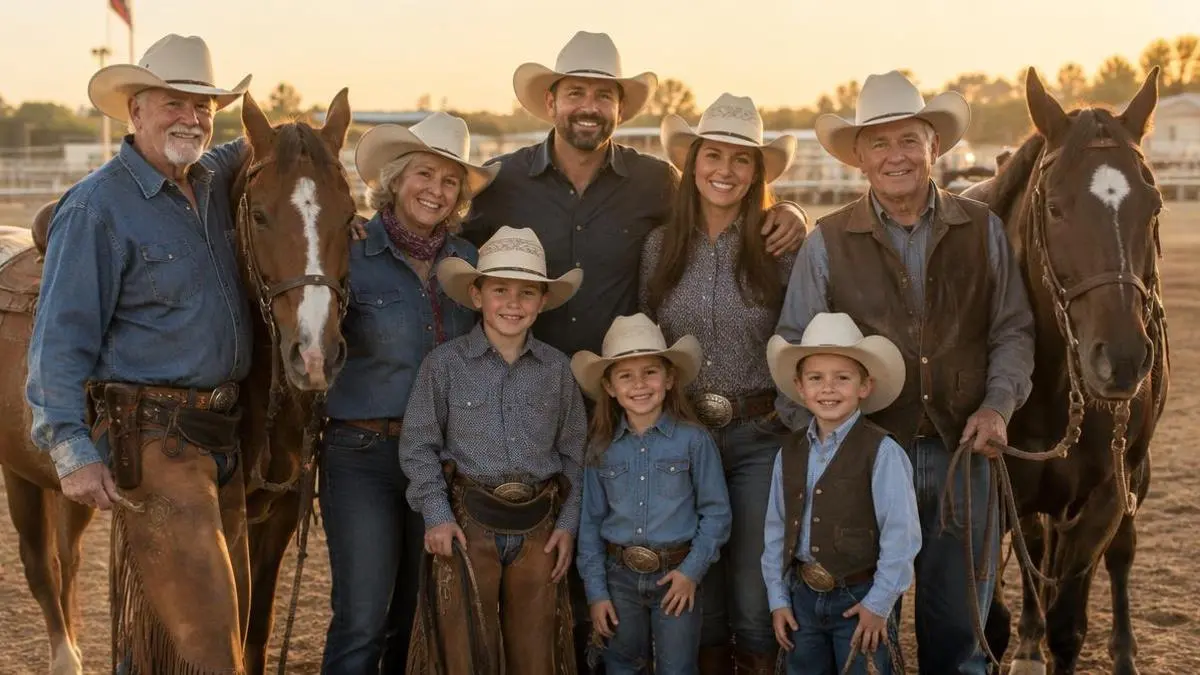
Cowboy Mounted Shooting is often introduced as a fast competition, but its lasting appeal is the way it brings people together. A family can arrive at an event with different goals and still share the same day: one person rides, another helps with the horse, someone works the gate, and younger spectators learn how the arena operates. The sport offers room for many kinds of participation.
Everyone Can Have a Role
Families start in different places. Some already ride and discover mounted shooting through a clinic. Others attend a club shoot because a friend invited them. Newcomers do not need to understand every rule before they arrive. A welcoming club can explain the equipment, show where spectators stand, and point out a safe place to watch. The first successful step may simply be meeting a horse and seeing a run from the rail.
Teach Safety in Small Steps
The shared work is part of the experience. Grooming, checking water, carrying poles, and keeping track of the schedule give children practical jobs and help adults learn the rhythm of a competition. A young person who is not ready to ride can help with photographs, read the program, or cheer for a teammate. Those responsibilities create a sense of belonging before the first entry form is filled out.
Make Room for Different Goals
Safety gives families a common language. Clubs teach where to stand, how to approach a horse, why hearing protection matters, and when the arena is closed. Children learn that excitement does not cancel rules. They see adults pause, ask questions, and change a plan when conditions are not right. That example is valuable far beyond the event.
Build a Tradition
The sport also teaches patience. Horses have different personalities, and riders progress at different speeds. A child may want to go fast while a parent is working on a quiet halt. Both goals can fit into the same practice if the family celebrates the correct try instead of comparing times. A calm walk, a confident trailer load, or a first clean pattern can be a bigger achievement than a ribbon.
Competition creates healthy goals when the focus stays on preparation. Families can set a season target, keep a training calendar, and review what improved after each event. The conversation shifts from winning every run to learning how to prepare better. That process gives young riders ownership and teaches them to respond to disappointment without giving up.
Adults benefit too. A club provides a network of experienced riders who can answer questions about tack, conditioning, and travel. Parents do not have to solve every problem alone. Sharing chores makes busy weekends manageable, and friendships formed at events often continue outside the arena.
There is a place for every age and ability. Some members compete at the highest level, while others ride one class, volunteer, or attend for the atmosphere. A family can grow into the sport gradually without replacing other interests. The best clubs protect that flexibility and make room for beginners, returning riders, and people who simply love horses.
At the end of a shoot, families usually remember more than a score. They remember the horse that settled, the friend who helped with a gate, the child who tried a new job, and the quiet drive home after a long day. Cowboy Mounted Shooting is fast in the arena, but its strongest tradition is the community built around it.
Families can share the sport without forcing everyone into the same role. One person may ride, another may handle registration, and a child may help groom or record times. These jobs give new participants ownership while keeping safety decisions with experienced adults. A shared checklist for helmets, lead ropes, water, and arena rules makes the day predictable for everyone.
Children learn best when the lesson is short and specific. Teach how to approach a horse’s shoulder, where to stand near a lead rope, and when to ask an adult for help. Let them watch a calm horse being saddled before they participate. Familiarity grows through supervised repetition, not through being placed in a situation that is bigger than their judgment.
The community also creates room for different goals. Some riders want to compete, some enjoy improving horsemanship, and some simply like the atmosphere of a club day. Respecting those goals keeps the sport welcoming. A family can celebrate a clean pattern, a safe trailer load, or a new friendship as much as a trophy.
Over time, the shared routine becomes part of family life. Packing the trailer, checking the weather, and talking through the schedule teach organization and responsibility. The arena offers a clear lesson in patience: progress appears when people and horses are given time to understand one another. That is why the sport can remain meaningful long after a single result has been forgotten.
A family tradition does not need to be elaborate. A shared lunch, a ride to watch a friend, or a child handing over a grooming brush can be enough to make the day meaningful. The important part is that everyone feels safe, included, and respected. Those small rituals create memories that keep people connected to horses and to the community between competitions.
Texas Smokin' Guns