Western tack should support clear communication, a balanced rider, and a horse that can move freely. There is no single brand or style that makes a horse competitive. The right setup is the one that fits the horse, suits the rider’s position, stays secure during fast turns, and has been tested long before an important event.
Fit Before Fashion
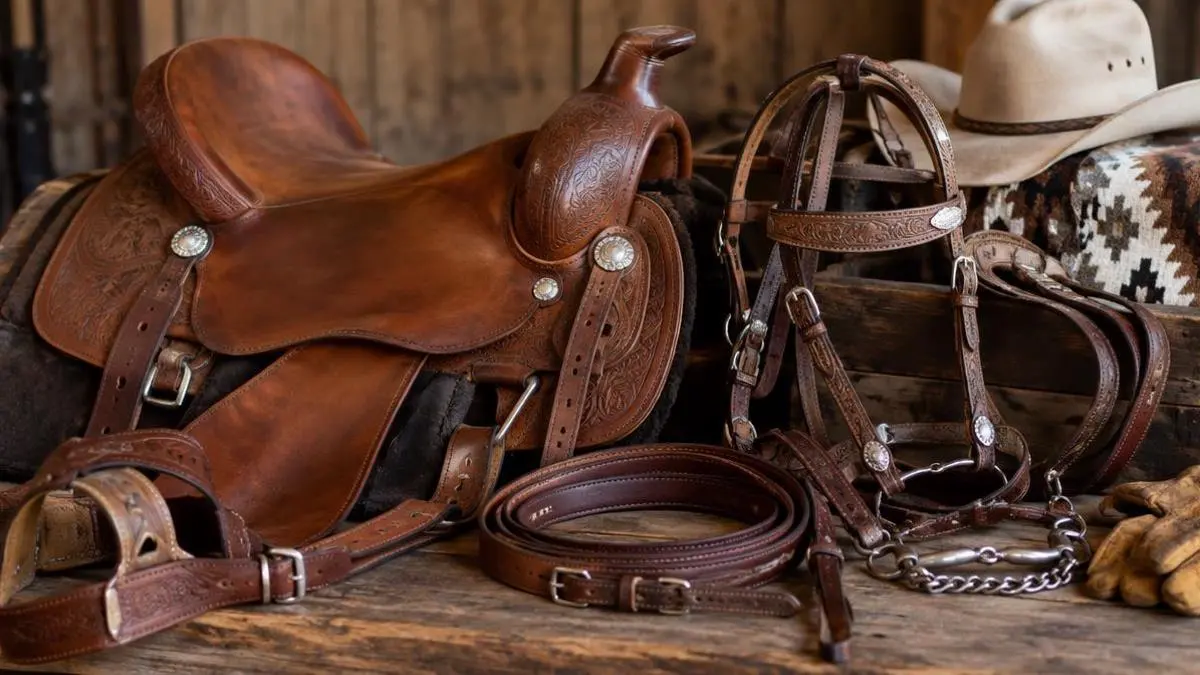
Start with the saddle. A secure seat is useful, but a saddle that pinches or bridges will change the horse’s movement and create resistance. Check the fit with the horse standing and after a warm-up. Look for even contact, a clear spine, and no dry spots. The saddle should remain centered when you ride large circles, stop, and back. If the horse changes shape during conditioning, recheck the fit instead of tightening the cinch to compensate.
Choose Equipment for Communication
The cinch and billets deserve the same attention. A clean, correctly fitted cinch should hold the saddle without restricting the horse’s breathing or rubbing the skin. Inspect latigos, off billets, and buckles for stretching or cracks. Run your hand under the cinch area after a ride and watch for heat, swelling, or hair loss. Small signs of discomfort are easier to solve before a busy weekend.
Check the Practical Details
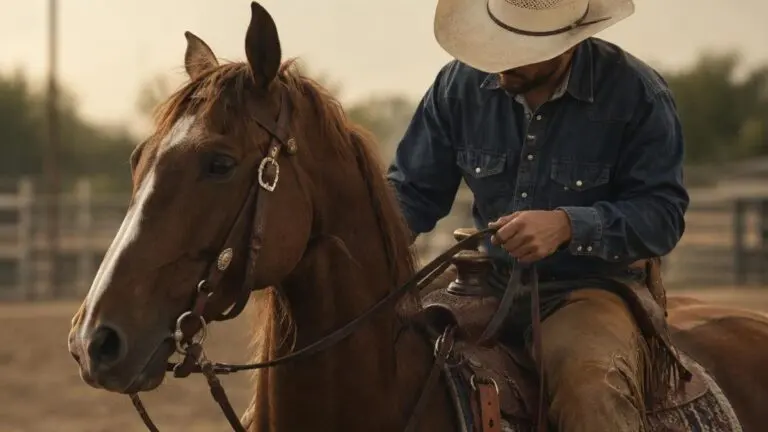
Choose a bridle and bit based on the horse’s education. A stronger bit does not replace a clearer cue. Many horses go better in a simple, well-fitted mouthpiece that the rider can use with quiet hands. The headstall should sit comfortably behind the ears, and the reins should be long enough for a relaxed neck while still allowing a quick, organized adjustment. Practice one change at a time so the horse is not learning a new bit and a new pattern together.
Introduce Changes Slowly
Breast collars and cruppers can help a saddle stay in place, especially on hills or during a powerful turn. They must be adjusted to allow full shoulder movement and should never pull the saddle forward. A crupper belongs low enough to work without rubbing the tail dock. Check every strap before mounting; a piece of tack that is safe at home can become a problem when sweat and speed are added.
Protective equipment should be purposeful. Boots can guard the legs from interference, but an oversized boot may twist or collect dirt. Use clean, correctly fitted protection and remove it after the ride to inspect the horse. Gloves improve grip without forcing a tight rein, while a properly fitted helmet is non-negotiable for riders who choose to wear one in the arena.
Comfort changes throughout the day. A horse may swell slightly after travel, and a rider’s own position may change as fatigue arrives. Recheck the cinch, reins, and breast collar before each class. Carry a small repair kit with spare Chicago screws, latigo ties, a hole punch, and tape. Being prepared for a loose keeper can keep a minor problem from ending the day.
Test new tack gradually. Ride at home, trailer to a quiet arena, and practice the exact transitions you will use in competition. Ask a knowledgeable trainer to watch from the ground. If the horse moves better in one setup, note why. Sometimes the improvement comes from a different saddle angle or a shorter rein, not from an expensive purchase.
Good tack disappears into the background. The rider can focus on the line, the horse can carry itself, and every adjustment feels familiar. Fit first, function second, fashion last, and let the horse’s movement guide the final decision.
Fit the saddle with the horse standing square on level ground. Check that the tree clears the withers, the bars contact evenly, and the saddle remains centered when the horse walks. A pad can improve comfort, but it cannot correct a fundamentally poor fit. Have a knowledgeable fitter evaluate the combination if you see dry spots, swelling, or repeated resistance when mounting.
Choose a bridle and bit that match the horse’s training and the rider’s hands. More leverage is not a substitute for clearer timing. The reins should allow a balanced connection without forcing the horse’s head into a fixed position. Examine cheek pieces, stitching, and the bit’s edges every time you tack up; small damage can become a safety problem at speed.
Western tack also includes practical details. Breast collars should lie flat without restricting the shoulders, cinches should be clean and correctly positioned, and tie-downs should never be used to hide a training issue. Keep spare latigos, a hole punch, and a basic repair kit in the trailer. A five-minute adjustment at home is better than improvising beside the arena.
Introduce new equipment one piece at a time. School in it at a walk, then a jog, and finally at the speed you will use at an event. Watch the horse’s back and attitude the next day. Comfortable tack supports communication; fashionable tack that pinches, slips, or distracts the horse will cost more in confidence than it adds in appearance.
Keep a record of what works. Note the saddle pad, cinch, bridle, and rein length used on a comfortable ride, along with the weather and the horse’s workload. That record gives you a reference when a new setup feels different. It also keeps equipment decisions grounded in the horse’s movement and recovery rather than in a hurried purchase made just before an event.
Texas Smokin' Guns