A course pattern is a map, a rhythm, and a set of decisions made in advance. Riders who study it carefully spend less attention wondering where to go and more attention riding the horse in front of them. The fastest way to learn a pattern is to understand the purpose of each line, turn, and transition rather than memorizing a sequence of isolated targets.
Walk the Pattern First
Start by walking the course from the same direction you will ride it. Notice the entry and exit, the location of the timer, the width of each lane, and any place where the footing changes. Count the targets and name the turns out loud. If the pattern has an option for a right or left approach, choose the line that matches your horse’s stronger side and leaves the cleanest exit for the next element.
Turn the Course into Decisions
Break the pattern into three parts: entry, work, and exit. The entry sets the horse’s balance. Ride straight, establish the pace, and avoid turning before the horse is ready. In the work portion, keep your eyes on the next destination rather than looking back at a completed target. The exit is part of the run too. Finish the final turn, cross the line correctly, and keep the horse settled until you are clear of the arena.
Connect the Difficult Parts
Transitions reveal whether the plan is working. A horse that rushes after a cue may need a shorter approach or a clearer half-halt. A horse that falls behind may need the rider to carry more energy into the turn. Practice the transition at a slower speed first, then add pace only when the line stays straight. Speed should make the pattern sharper, not less organized.
Ride the Pattern You Are Given
Use landmarks to create a visual plan. Pick a fence post, cone, or arena corner as the point where you begin a turn. Choose another landmark for the exit. These points are easier to remember than a vague instruction to turn somewhere near the middle. If the arena changes, rebuild the landmarks instead of trying to force an old picture onto a new space.
Walk the pattern on foot with a friend. Ask them to call the next element while you describe your line. If you cannot explain why you are taking a particular approach, the plan is not ready. This exercise also exposes dangerous overlaps, narrow passes, and places where another horse could appear in your path. Safety planning is part of pattern study.
During practice, change only one variable at a time. Ride the line at a walk, then a jog, then a controlled lope. Add a target or a sound only after the geometry feels familiar. Video can help: watch the horse’s shoulders, not just the stopwatch. A fast time with a collapsing turn usually points to a balance problem that will cost more later.
On competition day, read the posted pattern again. Small changes in start direction, target color, or arena layout matter. Give the horse a calm warm-up, then trust the work you have done. If a mistake occurs, finish the course safely and learn from it. Riders often lose more time trying to repair one missed line than they would by accepting the mistake and riding the next section cleanly.
The best pattern plan is simple enough to remember under pressure. Walk it, visualize it, practice the transitions, and leave room to listen to your horse. When the route is familiar, you can focus on the partnership that makes the run possible.
Study the pattern on foot before you ride it. Mark the entrance, the first target, the direction of every turn, and the exit. Then identify the places where a horse could drift toward the rail or cut a corner. A simple sketch in your notebook gives you something to review when the arena is crowded and the announcer is moving quickly.
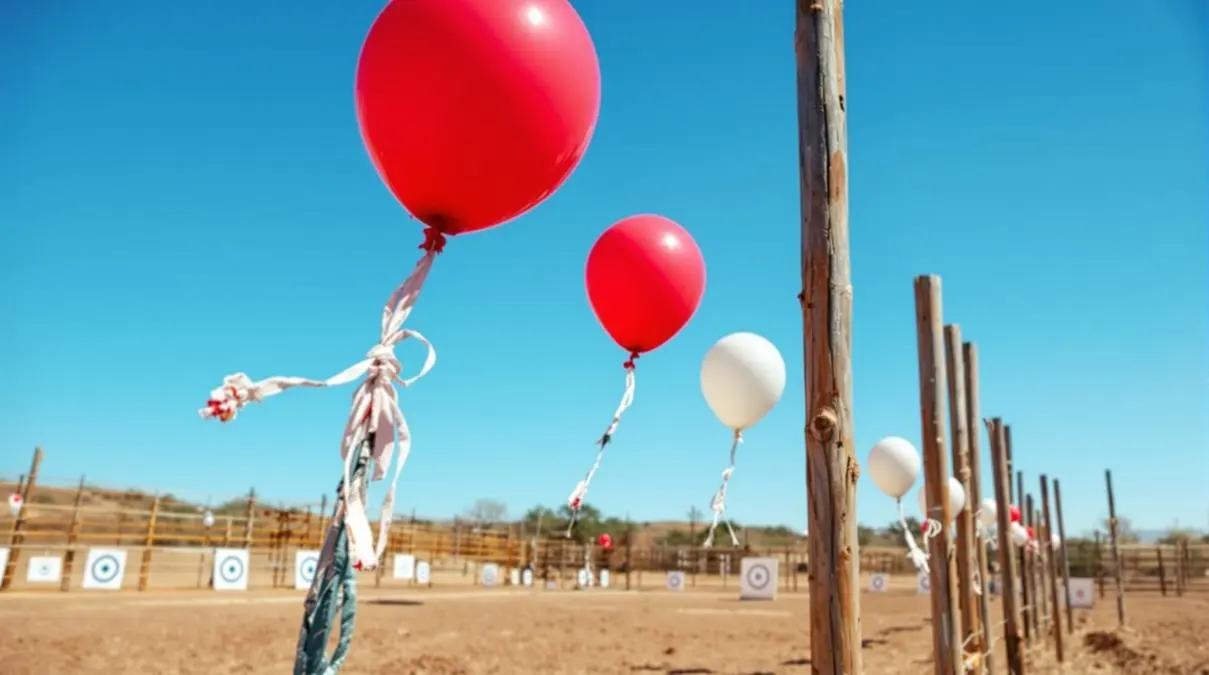
Break the course into decisions instead of memorizing a line of motion. At each target ask: where will my eyes go, where will my shoulders point, and where should the horse’s feet be after the turn? This approach prevents the common mistake of staring at the balloon while losing the line to the next one. The target is a destination, not the whole turn.
Practice the hardest transition at a slower gait first. Ride the approach, pause, and reward a straight exit. Then connect two targets, followed by three, while keeping the same balance. If the horse becomes hurried, return to the last place where the line was clear. Speed added to a confused pattern only makes the confusion harder to fix.
On competition day, walk the pattern again if officials allow it and compare the footing with your practice arena. Leave room for another horse and follow the current briefing rather than relying on an old video. Patterns can be adjusted for safety or arena size. Flexibility is part of skill: ride the course that is presented, with a plan that keeps both horse and rider organized.
Use the pattern as a communication plan, not merely a route. Decide where you will soften the hand, where you will allow the horse to lengthen, and where you will sit deeply for a turn. When each part has a purpose, the rider can adjust without losing the shape of the course. The stopwatch then records the result of organized riding instead of driving every decision.
Texas Smokin' Guns