Safety at a mounted shooting event is not one rule posted at the gate. It is a sequence of habits that keeps people, horses, and equipment predictable. The safest competitors are not the ones who never make a mistake. They are the ones who notice a problem early, slow down, and communicate before a small issue becomes an emergency.
Prepare the Trailer and Horse
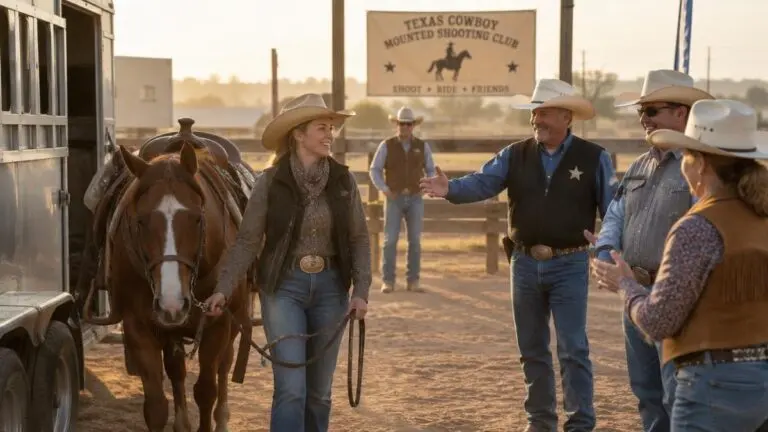
Begin before loading. Check the trailer floor, dividers, latches, ventilation, and emergency kit. Load each horse with enough space to stand comfortably and tie only when the trailer and local procedure call for it. Carry water, a thermometer, bandages, and contact information for a nearby veterinarian. Travel stress can hide dehydration, so offer water during stops and watch breathing and attitude when you arrive.
Create a Clear Range Flow
At the grounds, establish a clear traffic pattern. Keep horses on a lead rope in designated areas, close gates, and never assume a tied horse is safe to approach from behind. Children should have a responsible adult and a simple rule: ask before touching any horse. Spectators belong behind the marked line, away from the warm-up lane and the trailer doors.
Protect Every Participant
Equipment checks should be routine. Inspect the saddle, cinch, reins, breast collar, protective boots, and any approved competition equipment before every class. Replace worn leather and loose hardware. A strap that looks acceptable in the tack room can fail when it is wet or under load. Keep a repair kit close, but never make an unsafe field repair just to finish a run.
Finish with Care
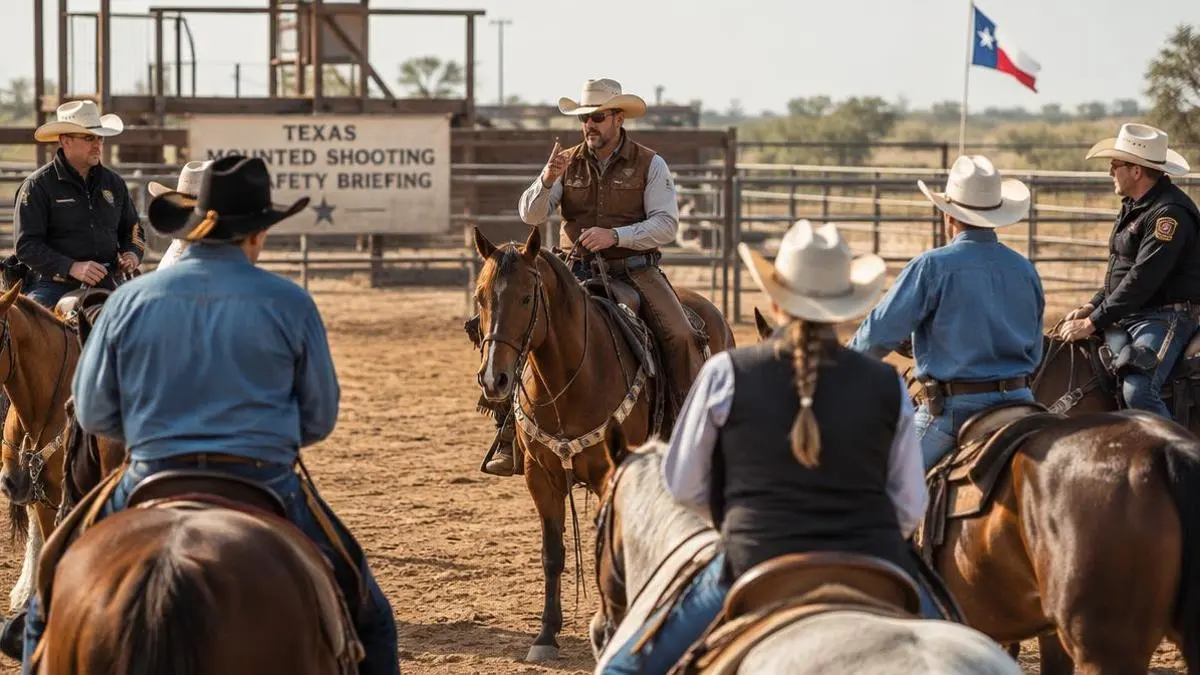
The range briefing deserves full attention. Learn the entry and exit points, the cease-fire procedure, the location of the first-aid kit, and who is acting as range officer. Do not handle equipment in a staging area unless the official has declared it safe. Follow the club’s rules even if you have seen a different practice elsewhere; local officials are responsible for the conditions in that arena.
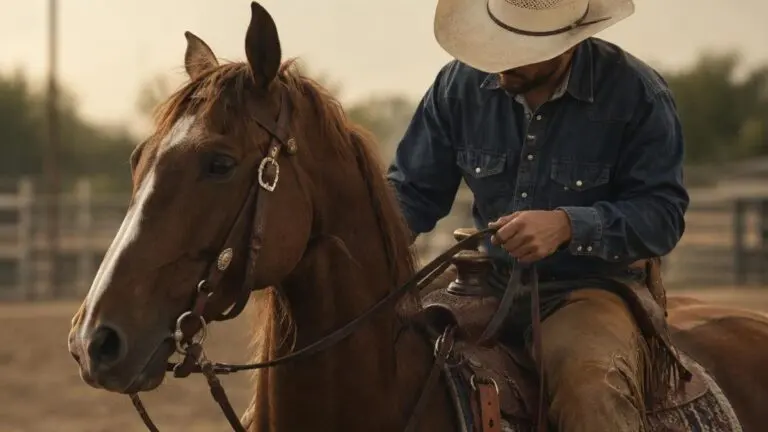
Horse behavior is a safety signal. A horse that is calling, backing away, or refusing a familiar cue may be overwhelmed, uncomfortable, or in pain. Give the horse more distance, lower the demand, and tell the crew what you see. Scratching a class is a professional decision. No score is worth pushing a horse past the point where it can think.
Riders should protect their own attention. Hydrate, eat between stages, and avoid rushing while tired. Wear appropriate footwear, secure loose clothing, and use hearing and eye protection where required. If you fall or are struck, report it and allow medical staff to assess you. Adrenaline can hide a serious injury.
Communication prevents confusion. Announce when you are entering or leaving a warm-up area, ask before crossing another rider’s line, and speak up if a gate or piece of equipment is out of place. Volunteers cannot fix a hazard they do not know about. Thank the crew when they stop a run to solve a problem; that pause protects everyone.
After the event, unload in a calm order, check each horse for heat or swelling, and record anything that needs attention before the next shoot. Review not only the run but the surrounding process. A safe routine is one you can repeat when the arena is crowded and the schedule is late. Put safety first, and the sport remains what it should be: challenging, social, and worth coming back to.
Safety begins before the horse leaves the stall. Inspect the trailer floor, dividers, tie points, and ramp, and make sure the vehicle is ready for the weather and distance. Load with patience and never wrap a lead rope around your hand. If a horse is anxious, pause and ask for experienced help rather than turning a loading problem into a contest.
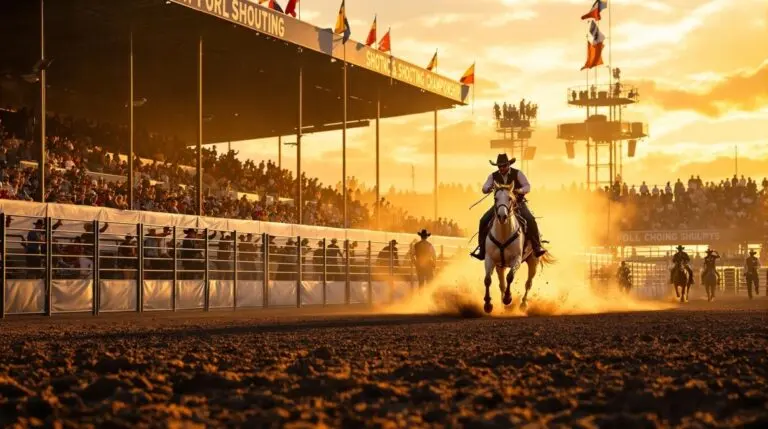
At the range, establish a clear flow of people and horses. Keep firearms and ammunition handled only in the areas and ways permitted by the event rules, and follow the range officer’s commands immediately. Spectators should remain behind the designated line. Children need a close adult, and loose dogs should stay away from horses and working areas.
Protect hearing and vision for every participant who enters the active area. Check that holsters, reins, cinches, and protective equipment are secure before each run. If equipment shifts, stop and fix it. A delayed run is a small inconvenience compared with a preventable injury. Carry water, a first-aid kit, and contact information for local veterinary and emergency services.
After the event, cool the horse gradually, inspect legs and feet, and unload only when the surroundings are calm. Report damaged fencing, loose hardware, or unsafe behavior to the club leadership. A strong safety culture depends on people speaking up early and respectfully. The fastest way to keep the sport enjoyable is to make every rider, horse, volunteer, and spectator part of the safety plan.
Keep reporting constructive. Describe what happened, where it happened, and what would reduce the risk next time. Clear reports help club leaders repair a gate, change a traffic flow, or repeat a briefing before a small concern becomes an accident. Safety improves fastest when people can speak honestly without blaming one another.
Texas Smokin' Guns