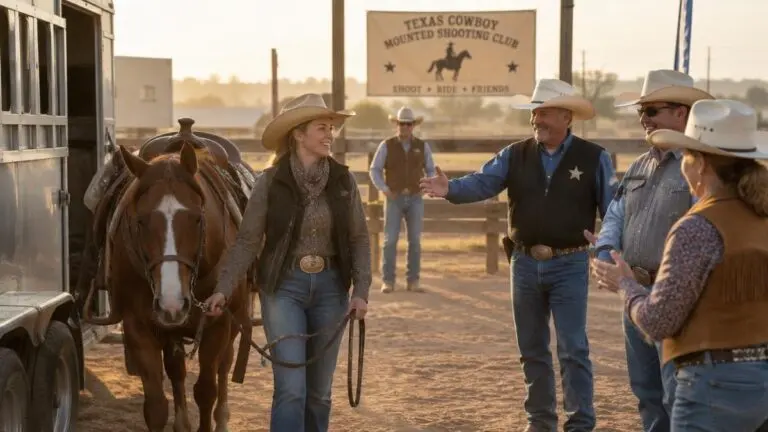
When Maya first visited a club shoot, she planned to watch one class and leave before anyone noticed she was new. She had ridden casually for years, but competition felt like a world for more experienced people. A member invited her to walk the grounds, introduced her to the range crew, and explained that the first goal was not a trophy. It was learning how to keep a horse relaxed in a busy place.
Replace Vague Goals
The first season was built on small decisions. Maya borrowed equipment instead of buying everything at once, took notes during every clinic, and spent more time practicing transitions than chasing a faster time. Her horse, Copper, was willing at home but became alert around trailers and loudspeakers. Rather than forcing a full run, Maya worked on standing, walking past the arena, and returning to the same calm routine each week.
Use Feedback as a Training Tool
Progress was uneven. At one spring shoot Copper rushed the entrance and Maya forgot the second turn. They finished safely, but the result was near the bottom of the class. On the drive home, Maya wrote down three facts: the horse was not hurt, the pattern was complete enough to diagnose, and the warm-up had been too short. The next month she arrived earlier, walked the grounds, and practiced the entry at a slower pace.
Prepare for the Whole Event
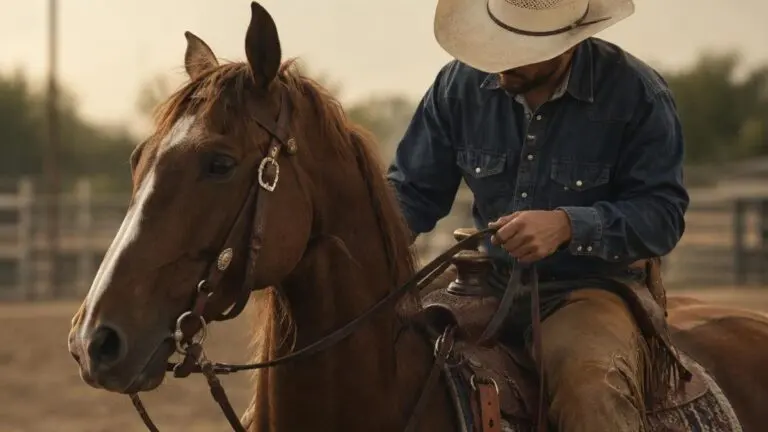
That change did not produce an immediate win. It produced a horse that listened. By midsummer, Copper could stand while another pair worked nearby. Maya learned to breathe before the start, look through the turn, and keep her hands quiet when the horse accelerated. A trainer helped her adjust the saddle fit and shorten a rein by one hole. Small improvements accumulated until the runs looked ordinary, which was exactly the point.
Carry the Lesson Forward
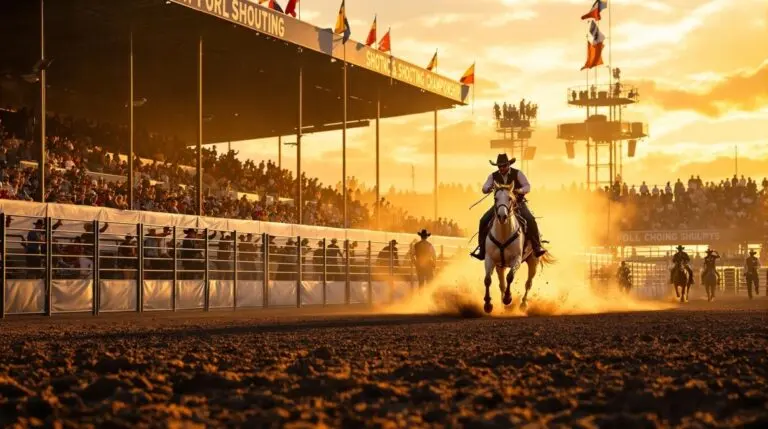
The decision to enter the championship came late. Maya almost skipped it because Copper had been inconsistent at the previous event. Her club friends encouraged a realistic plan: enter the division, protect the horse’s confidence, and treat the first stage as information. She packed early, checked every strap, and wrote the schedule on the trailer door so neither of them had to guess what came next.
The first stage was clean but slow. Maya felt disappointed until she remembered the plan. The second stage improved because Copper recognized the arena. By the final day, the horse walked into the gate with the same expression he wore at home. Maya did not win the overall class, but she finished every stage, improved her time, and left with a horse ready to come back.
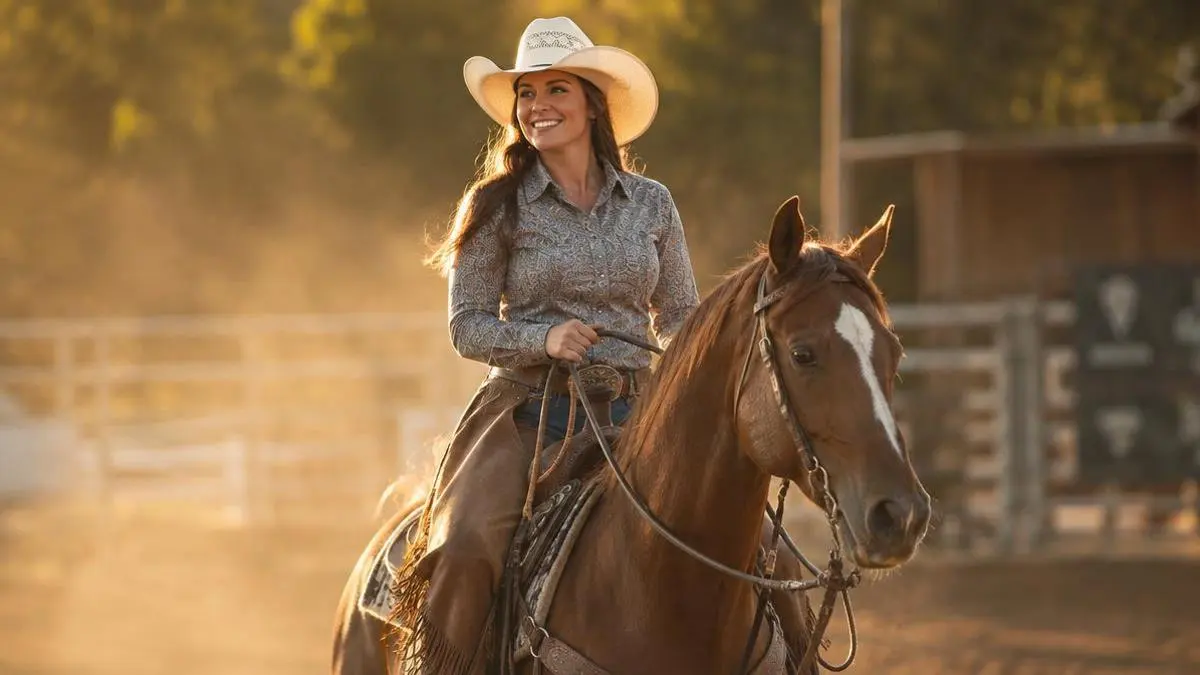
The championship changed how she measured success. A ribbon was welcome, but the real result was a repeatable process: arrive early, make the horse comfortable, ride the line, review the run, and return to practice. That process is now helping a new rider in the club who is asking the same questions Maya asked a year before.
Her story is familiar because it is not built on a shortcut. It is built on patient coaching, honest notes, and a horse whose confidence was protected. The road to a championship can begin with a single visit and a decision to learn one useful thing at a time.
The first useful change was replacing vague goals with observable ones. Instead of saying “ride faster,” the rider wrote down three measures: a quiet warm-up, a straight approach, and a balanced exit. Each practice session addressed one measure. Progress became easier to see, and a difficult day no longer erased the work from the previous week.
They also changed how feedback was collected. After each run, the rider recorded one thing the horse did well, one moment that felt uncertain, and one exercise for the next ride. A coach reviewed the notes every few weeks. This simple record revealed that most errors appeared after a rushed start, not at the target itself. The training plan then focused on the first thirty seconds of every session.
Competition preparation became part of the routine. The horse practiced standing near the trailer, walking past unfamiliar banners, and waiting while another pair worked. The rider packed the same equipment in the same order and arrived early enough to breathe before entering the arena. Familiar logistics reduced the mental noise that had once made the first class feel overwhelming.
The championship result mattered, but it was not the whole story. The rider finished with a calmer horse, a clearer plan, and enough confidence to help a newer member at the next club shoot. That is the durable version of a road to a championship: a process that produces skills worth carrying into every future season.
The journey also changed the rider’s definition of leadership. Helping another member with a pattern or a tack check reinforced the same habits that had improved the championship run: slow down, observe, and give one clear instruction at a time. Success became something that could be shared. That is why the road continues after the final score, through teaching, volunteering, and returning to practice.
Texas Smokin' Guns