Preparing for a new competition season is less about one intense workout and more about building a dependable routine. A horse needs soundness, strength, attention, and confidence before speed is added. Starting early gives you time to notice small issues, adjust feed and turnout, and build fitness without asking the horse to make a sudden jump in workload.
Start with Soundness
Begin with a health check. Schedule routine dental and veterinary care, review vaccination requirements, and examine the horse’s feet with your farrier. Watch how the horse stands, walks, and turns on a firm surface. A shortened stride or reluctance to pick up a lead deserves attention before you introduce fast circles or hard stops. Training cannot compensate for discomfort, and a quiet horse may hide a problem until the demand increases.
Build Strength Gradually
Conditioning should progress in layers. Start with long, relaxed walks, then add short periods of marching trot. Increase either time or intensity in a given week, not both. Hills can build strength, but they also add stress to joints and tendons, so use them after the horse is comfortable on level ground. Keep a record of the work so you can see whether the horse is recovering easily between sessions.
Practice the Show Environment
Strength is useful only when it supports balance. Include large circles, transitions, backing, and lateral steps. Ask for a prompt response, then let the horse stretch. A few correct transitions are more valuable than endless repetitions. The aim is to help the horse carry its weight, sit into a turn, and stay straight when the rider changes direction.
Keep the Final Week Familiar
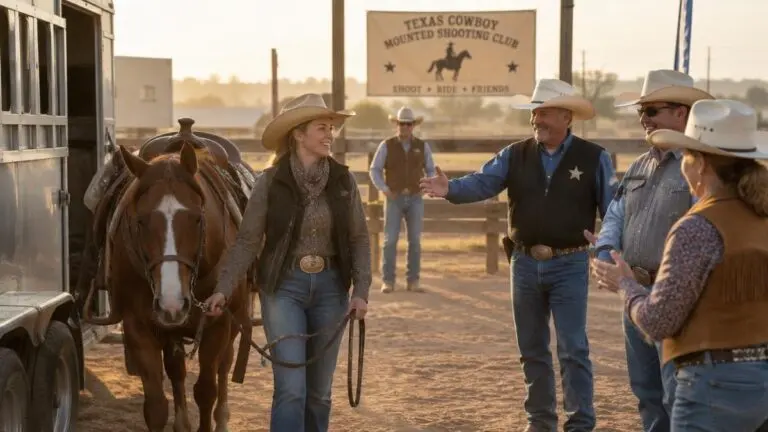
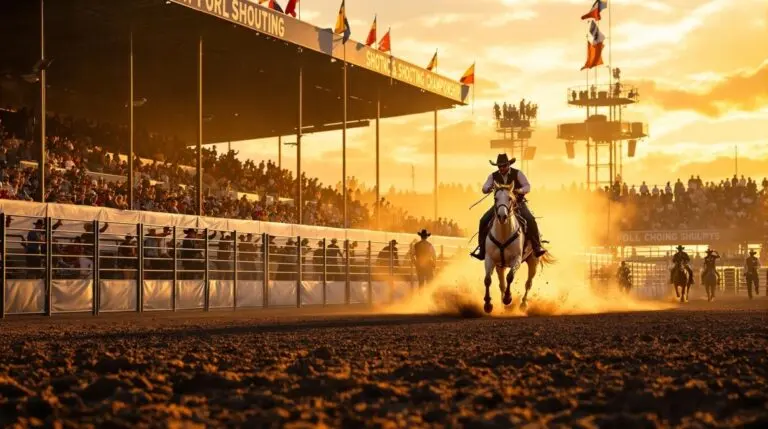
The competition environment should be part of the preparation. Trailer to a quiet arena, walk near unfamiliar horses, and practice standing while another rider works. Bring the objects the horse will see at a shoot: flags, banners, loudspeakers, and a busy gate. Introduce one change at a time and reward a calm response. Confidence is built by successful exposure, not by forcing the horse to tolerate everything in one afternoon.
Review nutrition as the workload grows. Good-quality forage remains the foundation, while concentrates should match the horse’s actual energy needs. Make feed changes gradually and keep water available. If you are unsure, ask a qualified equine nutritionist rather than copying a ration from another horse. Two animals doing the same sport can have very different requirements.
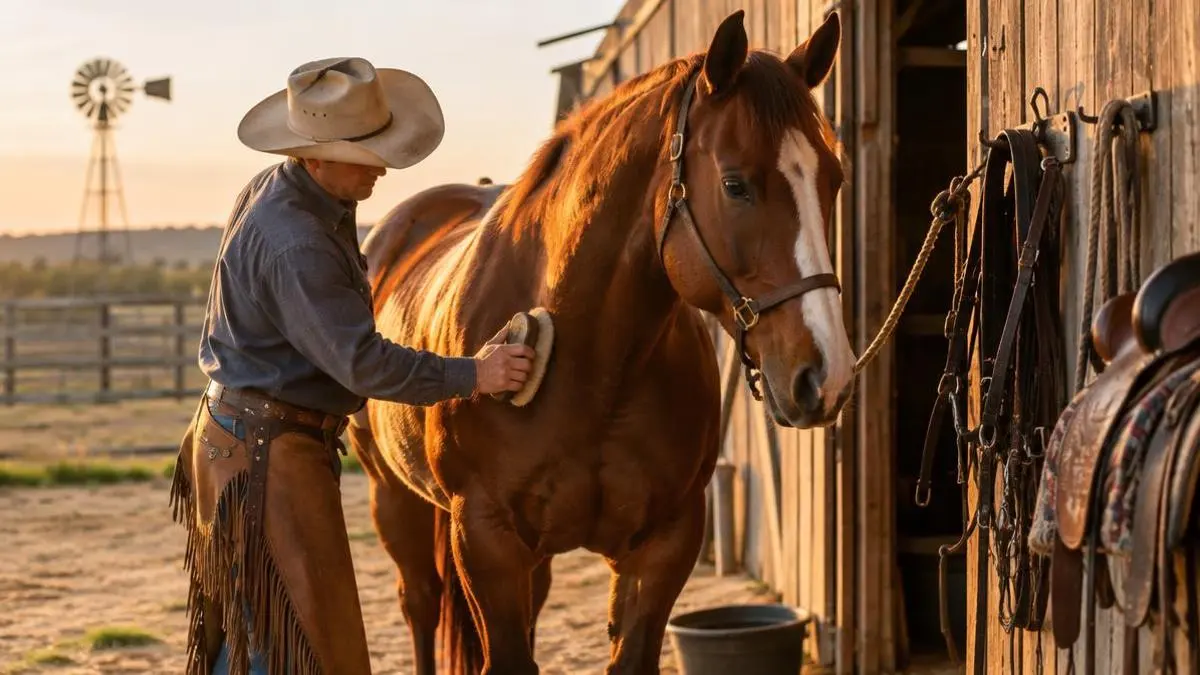
Tack deserves its own inspection. Check stitching, billets, girth, reins, breast collar, and protective boots. Clean equipment lets you find cracks before they become failures. Fit the saddle after the horse has gained or lost condition, and watch for dry spots, swelling, or a horse that resists being tacked up. Comfort is not a luxury; it is part of performance and safety.
Build rest into the calendar. Muscles adapt during recovery, and a mentally tired horse may become dull or reactive. Alternate focused schooling with easy rides, turnout, or a quiet day. Pay attention to appetite, attitude, and the quality of the first few steps after rest. Those observations often tell you more than the stopwatch.
Finally, set a realistic first event. The season does not need to begin with the biggest championship. Choose a club shoot where you can practice the routine, make notes, and finish with a confident horse. A steady start gives you useful information and leaves room to improve. Fitness, soundness, and trust will carry you farther than a hurried attempt to peak in the first month.
Conditioning should begin with a baseline, not a guess. Walk and jog your horse on several surfaces, note breathing and recovery, and inspect the legs after each session. If the horse is uneven, unusually tired, or reluctant to move forward, stop and consult a veterinarian or qualified professional before increasing work. Fitness cannot be safely built on top of an unresolved problem.
Build the week around alternating demands. A quiet walking day can follow a day of transitions, while a schooling day can be followed by turnout or hand-walking. Include time for stretching, grooming, and standing tied, because the horse must recover and wait calmly at events as well as run. Gradual variety develops both physical strength and practical readiness.
Rehearse the parts of competition that are not part of the pattern. Load and unload, ride near other horses, stand near a gate, and accept a saddle after a break. Introduce sound and movement in small doses. A horse that has practiced these details at home is less likely to spend its energy solving them at a busy show.
Keep nutrition and hydration changes conservative. Make adjustments with your veterinarian or feed professional, and never introduce a new supplement immediately before an event. Pack the same hay and water when possible. The final week should feel familiar: short, confident sessions, careful hoof and tack checks, and enough rest for the horse to arrive fresh rather than flat.
Make a final readiness list that someone else can understand. Include feed, water, medication instructions, tack checks, emergency contacts, and the exercises that settle your horse. A written list helps a helper step in without guessing and keeps small details from being forgotten when the trailer is loaded before dawn. Good preparation is quiet, repeatable, and kind to the horse’s body.
Texas Smokin' Guns