
 By Matthew Gilmore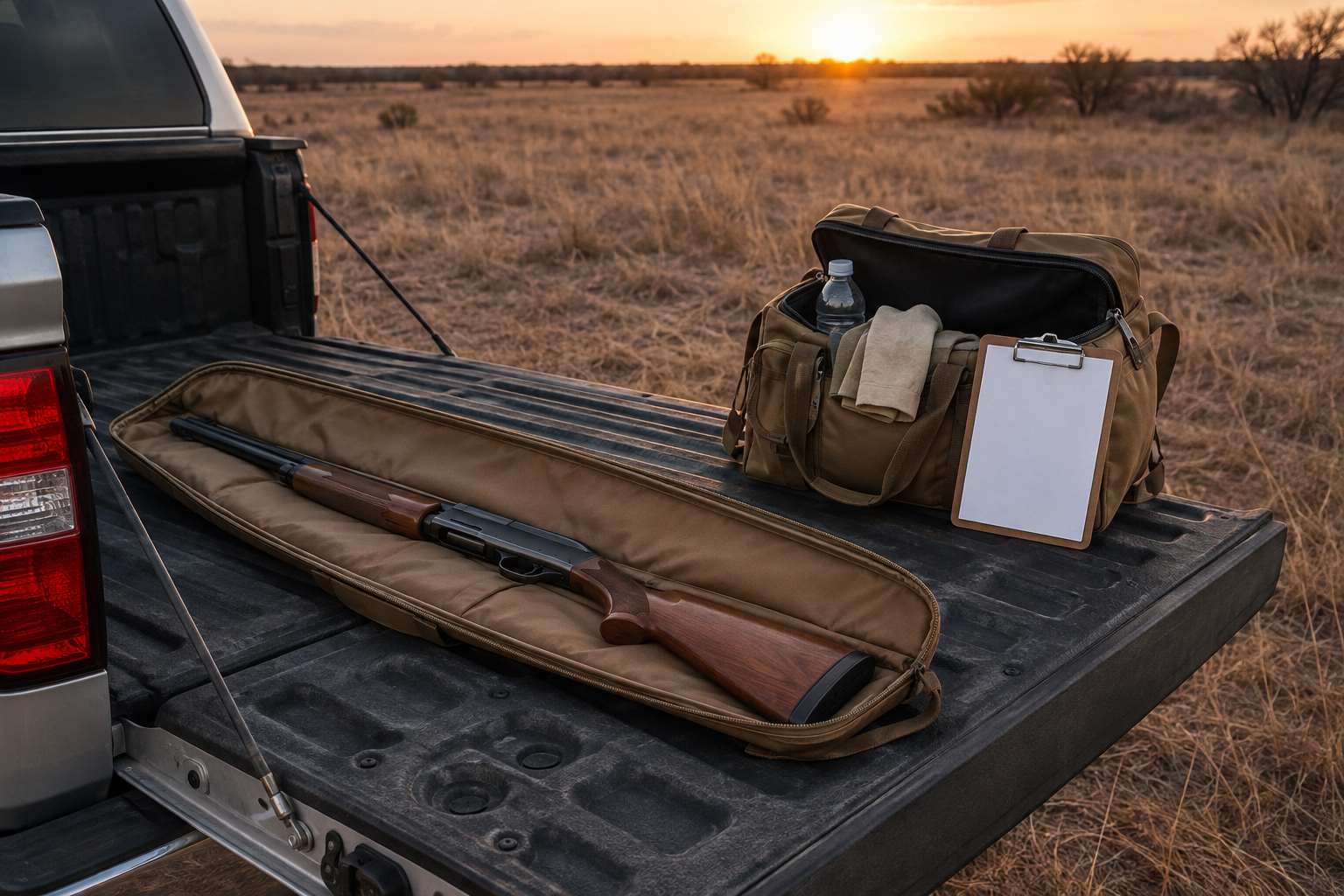
A range session can go wrong before you leave the house. The missing magazine, mismatched ammunition, or control that suddenly feels rough may seem like small inconveniences, but each one can waste the trip-or signal a condition that should stop it altogether.
The answer is not a larger range bag or an elaborate ritual. A short, repeatable inspection gives you time to deal with ordinary oversights and recognize problems that should not be tested on the firing line. The routine below is deliberately uneventful. That is its value.
Begin where mistakes are easiest to see
Carry out the inspection in a clean, well-lit place with as few distractions as possible. Start with the firearm unloaded. Point the muzzle in a safe direction, remove the ammunition source, and use the unloading procedure set out by the manufacturer. Depending on the design, that may include checking the chamber, action, magazine well, or cylinder area.
Do not treat the position of a safety, an empty-looking magazine, or a familiar handling sequence as proof that the firearm is clear. Verify the condition visually and physically in a way that suits the firearm and your training. If the design is unfamiliar, consult the owner's manual before proceeding.
Then compare the firearm with how it looked and felt after its last use. Look for surface rust, unexplained discoloration, loose components, damage to the grip, or a control that no longer moves or feels as expected. Sights and accessories should appear secure. If something is loose, do not improvise a repair simply to keep the schedule intact.
Pay closer attention if the firearm was dropped, exposed to moisture, stored for an extended period, or handled by another person. Those circumstances do not automatically mean there is a defect, but they justify a slower inspection.
A condition that could affect safe operation is a reason to stop. Set the firearm aside and consult the manual or a qualified gunsmith. Firing a shot to "see what happens" is not a diagnostic method.
Check the bore and operating parts without overdoing it
Before use, establish that the bore is clear by following the manufacturer's specified procedure. Keep the firearm unloaded and pointed safely while doing so. An obstruction can create a dangerous condition, and uncertainty is not a substitute for inspection. If you cannot confidently determine that the bore is clear, postpone the session and get qualified assistance.
Next, look for obvious debris, heavy fouling, or damage around the action and other operating areas. Stay within the cleaning and disassembly steps described in the manual. This is not a good time to experiment with unfamiliar solvents, force parts apart, or scrape aggressively because a component looks dirty.
More lubricant is not necessarily better. Excess oil can collect dust and residue, move into areas where it does not belong, or leave the firearm unpleasantly slippery to handle. Use only the product and amount recommended for that firearm.
If the firearm has been stored, complete any basic function check the manufacturer recommends, and do it only under safe conditions. A trigger, safety, slide, bolt, cylinder, or magazine that behaves differently from expected deserves a pause. Some designs have characteristics that may feel unusual to a new user; a qualified professional can help distinguish those from an actual defect.
Give ammunition its own inspection
A box label is only the first check. Confirm that the caliber or gauge matches the firearm and that the ammunition is suitable for that specific firearm according to the manufacturer's guidance. This matters particularly when similar-looking cartridges or multiple firearms are present.
Keep different types of ammunition separated and clearly identified. Do not rely on visual resemblance alone. Before packing, give cartridges a quick individual inspection. Set aside anything with a damaged case, corrosion, contamination, unusual dents, a loose projectile, or a projectile seated noticeably deeper or differently than expected.
Questionable ammunition should not be repaired, pulled apart, modified, or forced into a chamber or magazine. Keep it separate and follow appropriate manufacturer or range guidance for disposal. Rounds exposed to water, excessive heat, or unknown storage conditions deserve additional caution even if they look normal.
The practical trade-off is straightforward: setting aside a questionable round costs far less than creating a problem at the firing line. If a cartridge does not fit or function as expected, stop and determine why. "Close enough" is not an acceptable standard for ammunition compatibility.
Pack for the actual session
A checklist should prevent omissions, not turn the range bag into a collection of every possible accessory. Pack eye and hearing protection, suitable ammunition, the magazines or loading equipment intended for the firearm, and a secure case or other transport method required by the range or applicable rules. Bringing the owner's manual is sensible, particularly when using a firearm that is new to you or has been stored for some time.
Targets, a marker, and a small notebook can be useful if they support the planned session. Keep the arrangement manageable enough that you can find what you need without rummaging around near firearms or ammunition.
Before setting out, check the range's current rules. Confirm its requirements for firearms, ammunition, targets, and equipment rather than relying on an old visit, a forum post, or someone else's memory. Facility policies can change, and one range may prohibit items that another allows. Legal requirements can change as well, so verify current information through official government sources and the range itself.
Timing matters too. A rushed or distracted shooter is already working with less margin. If you are tired, impaired, unusually upset, or uncertain about the firearm's condition, postpone the outing. Losing one range session is preferable to trying to make up time around loaded firearms.
Recognize the point where home maintenance should stop
Routine maintenance is useful when it follows the owner's manual and stays within your ability. Wipe away the appropriate residue, use the recommended lubricant sparingly, and look for storage-related problems before placing the firearm in its case.
Keep notes on recurring issues instead of writing each one off as bad luck. Repeated failures, difficult extraction, inconsistent controls, or parts that continue to loosen should be assessed before the next firing session. A recurring problem is information, not an annoyance to ignore.
A new accessory, replacement part, or different firearm is not automatically the solution. First consider whether the underlying issue involves the firearm's condition, compatibility, ammunition, user technique, or an instruction that was misunderstood. If the cause is unclear, stop and ask a qualified professional. Avoid unverified modifications, especially changes involving safety mechanisms or operating parts.
The last review should be deliberately boring: firearm condition, clear bore, correct ammunition, protective equipment, transport, and current range requirements. That small sequence catches the forgotten details while there is still time to correct them-and keeps genuinely difficult questions in the hands of the owner's manual, the range, or a properly qualified expert.